At 40, Franz Kafka, who never married and had no children, was walking through a park in Berlin when he met a little girl who was crying because she had lost her favorite doll.
Kafka tried to comfort her.
“Your doll isn’t lost,” he told her.
The girl looked at him.
“Where is she?”
“She has gone on a trip,” Kafka replied.
“Really?”
“Yes. And she has sent you a letter.”
The girl looked surprised.
“Where is it?”
“I don’t have it with me today,” Kafka said, “but I’ll bring it tomorrow.”
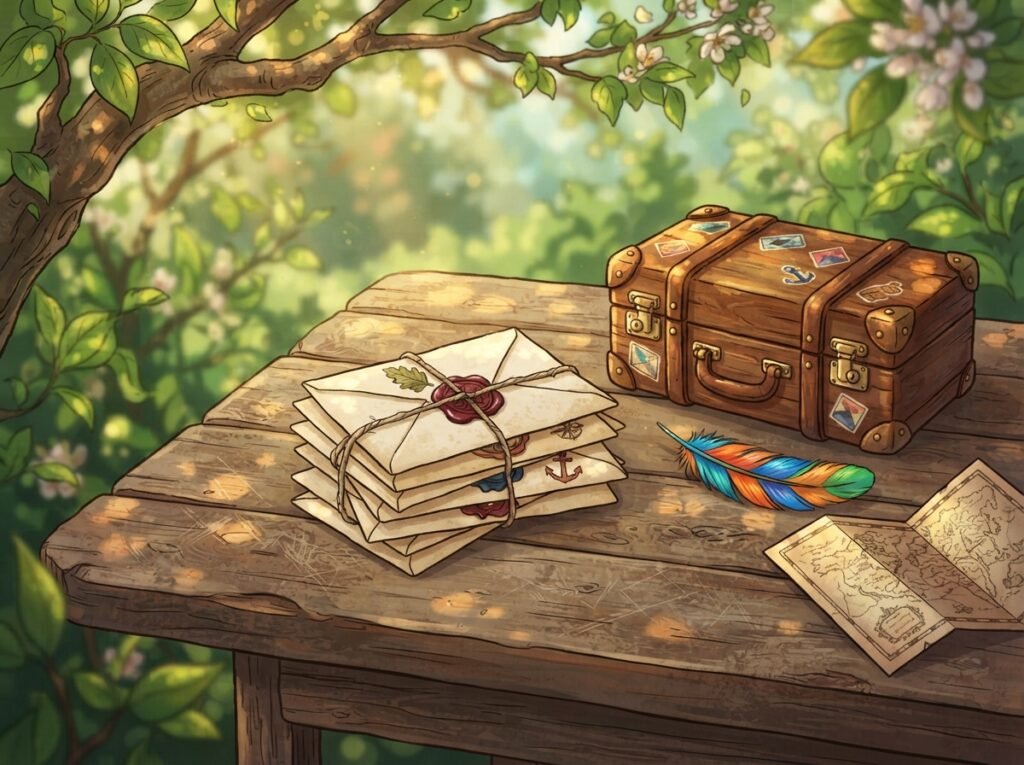
The next day, Kafka returned with a letter.
The girl listened as he read it aloud.
The doll explained that she was tired of staying in one place and wanted to see the world.
Over the following days, Kafka brought more letters.
The doll told the girl about her adventures, the people she met, and the places she visited.
Eventually, Kafka brought a final letter.
The doll explained that she had fallen in love, gotten married, and started a new life.
The girl smiled and accepted the story.
Years later, someone asked Kafka why he had gone to so much trouble for a child he barely knew.
He simply replied,
“Sometimes, we need to give people a story that helps them move forward.”
The girl had lost her doll.
But thanks to Kafka, she gained something else:
A beautiful way to say goodbye.